


NDIS Mobility Equipment: What You Can Claim (And How to Get Approved Faster)
If you’re an NDIS participant or preparing an equipment funding request, understanding exactly what mobility equipment you can claim — and how to get approved faster — is vital.
This guide breaks down covered equipment, funding levels, practical tips to improve approvals, and common mistakes to avoid so you can confidently navigate the NDIS process.
Who Is This Guide For?
This comprehensive guide is designed for NDIS participants, carers, support coordinators, allied health professionals, and families across Australia who need clear, reliable information about mobility and assistive equipment funding.
Whether you need a mobility scooter for independence, a powered wheelchair for daily safety, or bathroom and seating aids for everyday life, this article will help you understand what you can claim under NDIS and how to avoid delays.
Quick Answer: What Mobility Equipment Can NDIS Fund?
The NDIS can fund mobility and assistive equipment that is deemed reasonable and necessary and directly supports your functional goals. Commonly funded items include mobility scooters, powered wheelchairs, manual wheelchairs, walking aids, bathroom aids, adjustable beds, and daily living aids when backed by clinical justification such as an OT assessment and supporting documentation.
NDIS Assistive Technology Funding Levels
| Funding Level | Cost Range | Common Equipment Categories | Typical Requirements |
|---|---|---|---|
| Low Cost AT | Under ~$1,500 | Walking aids, cushions, small bathroom aids, daily living aids | Often no formal OT report required |
| Mid Cost AT | ~$1,500 – $15,000 | Mobility scooters, manual wheelchairs, rollators, scooter ramps, adjustable chairs | OT letter or assessment usually required |
| High Cost AT | ~$15,000+ | Powered wheelchairs, adjustable beds, complex seating systems | Formal OT assessment + detailed supplier quotes |
Final approval depends on clinical justification and alignment with your NDIS goals.
What Mobility Equipment Can You Claim Under NDIS?
- Mobility scooters and scooter accessories
- Powered wheelchairs
- Manual wheelchairs
- Walking aids and rollators
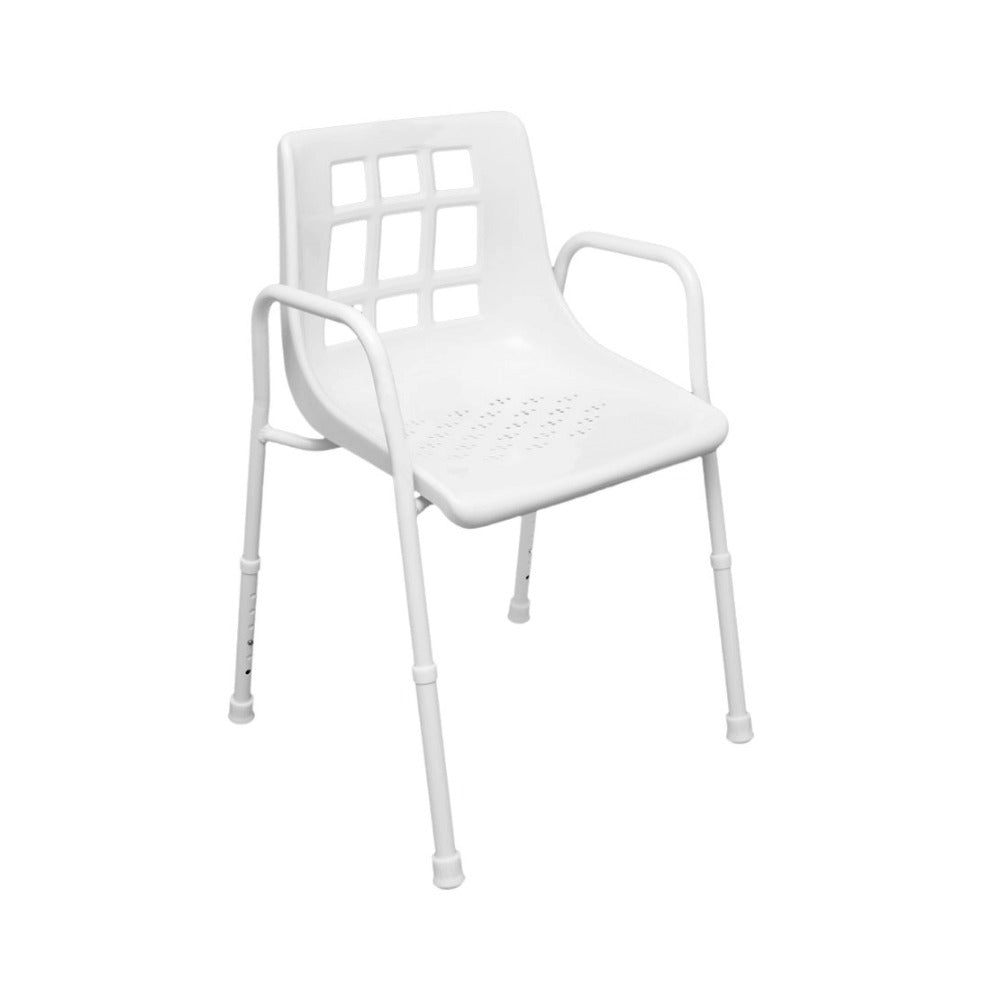
- Bathroom & shower chairs and stools
- Daily living aids
- Adjustable beds and lift chairs
- Wheelchair cushions and supports
- Scooter ramps and access aids
What Is Not Usually Covered?
- Everyday household items not linked to disability
- Equipment without clinical justification
- Luxury upgrades beyond functional need
- Items unrelated to mobility or daily living challenges
How the NDIS Approval Process Works
Step 1: Occupational Therapist (OT) Assessment
An OT evaluates your mobility needs and daily challenges.
Step 2: Supporting Documentation
Your OT report must clearly explain why the equipment is reasonable and necessary.
Step 3: Obtain Quotes
Submit detailed, compliant quotes from an experienced supplier.
Step 4: Submit to NDIS
Your plan manager or support coordinator submits the documentation.
Step 5: Review and Funding
If approved, funding is allocated to your Assistive Technology budget.
How to Get NDIS Approval Faster
- Arrange an OT assessment early
- Ensure the report clearly links equipment to daily function
- Provide complete documentation
- Align requests with NDIS goals
- Avoid incomplete submissions
Common Mistakes That Delay Approval
- Requesting equipment before assessment
- Missing clinical justification
- Incomplete quotes
- Not aligning with functional goals
When Should I Consult a Professional?
- If your previous request was declined
- If your condition has changed
- If requesting high-cost assistive technology
- If you need help strengthening your submission
Why Choose Mobility EXP?
- ✅ Registered NDIS Provider - Streamlined funding process with expert NDIS invoicing
- ✅ Premium Brands - Royale Medical, Pride, and other trusted Australian and international brands
- ✅ Australian Owned & Operated - Supporting local communities across Australia
- ✅ Expert Advice - Our team works with allied health professionals to ensure proper chair selection
- ✅ Australia-Wide Delivery - Servicing metro and regional areas
Ready to find your perfect laid? Browse our full range here or contact our team for expert advice.
When Should You Reassess Your Equipment?
Reassess your equipment if your condition changes, your safety needs increase, or your current equipment no longer supports your independence effectively.
Why Proper Assessment and Fitting Matters
Correct sizing and professional assessment ensure safety, comfort, and long-term usability.
Helpful Guides to Support Your NDIS Journey
Understanding the NDIS process is only part of the journey — choosing the right equipment and avoiding costly mistakes is just as important. These helpful guides cover common buying mistakes, choosing reliable scooters, and how to find the right model for your needs: Common Mistakes to Avoid When Purchasing a Mobility Scooter, Which Is the Most Reliable Scooter?, and What Is the Average Lifespan of a Mobility Scooter?. Reviewing these can help you make a more informed decision and avoid delays or unsuitable purchases.
Frequently Asked Questions
Does NDIS automatically approve mobility scooters?
No. Approval depends on clinical evidence and functional need.
Do I need an OT assessment?
Usually required for mid and high cost assistive technology.
Can I choose my own supplier?
Yes, provided the supplier meets NDIS quote requirements.
How long does approval take?
Timeframes vary depending on complexity and documentation quality.
Conclusion
NDIS mobility equipment funding is available when the item directly improves your independence, safety, and daily living. Strong documentation and clear clinical justification are the keys to faster approval.
Shop All here.
- Choosing a selection results in a full page refresh.
