
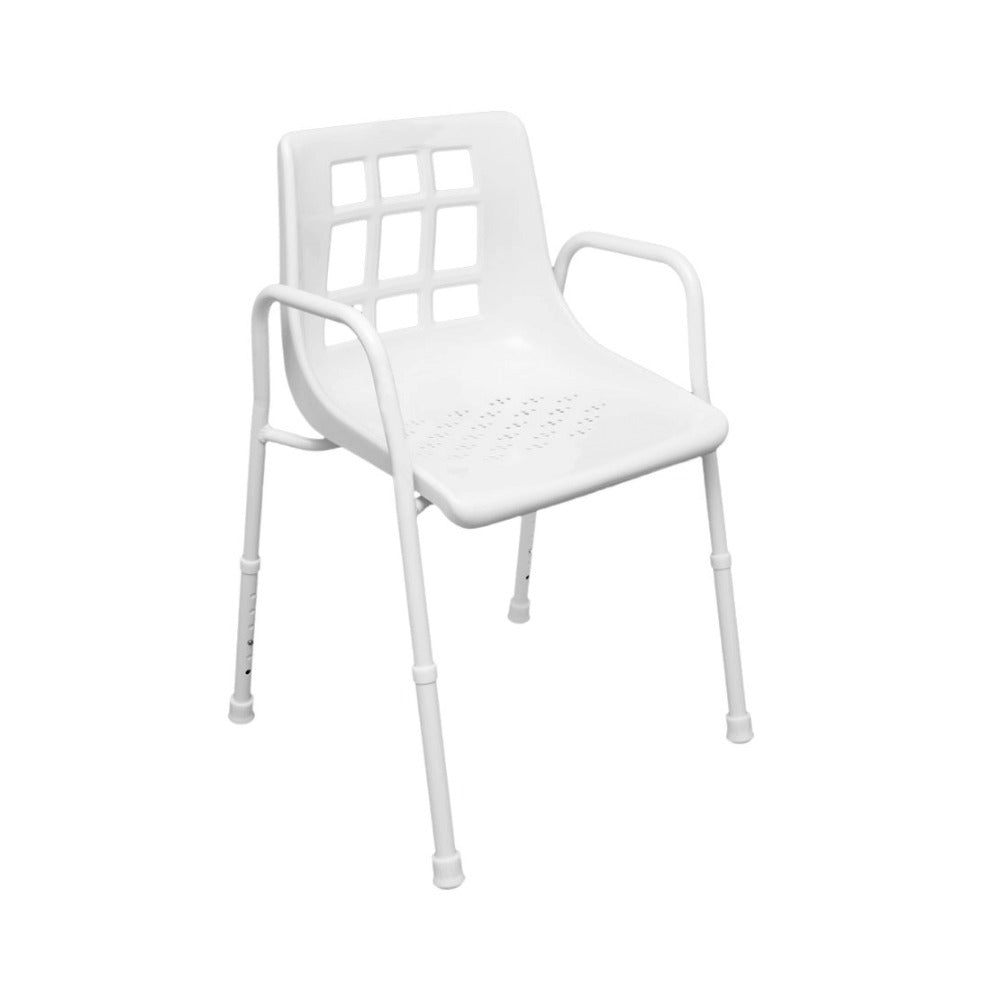


When Should You Upgrade Your Mobility Aid? 7 Clear Signs It’s Time
It’s time to upgrade your mobility aid when it no longer feels safe, stable, comfortable, or suited to your current health and daily activities. Clear warning signs include near falls, new pain, feeling less steady, relying more on others, or noticing that your aid now feels too small, light, or unstable.
Mobility needs rarely stay the same forever. What worked perfectly 12 months ago may now feel limiting or even unsafe, especially after illness, surgery, or a change in confidence. Acting early to reassess your equipment can prevent injuries, reduce carer strain, and protect your independence at home and in the community.
Who Is This Guide For?
This guide is designed for NDIS participants, seniors, carers supporting ageing parents, and allied health professionals who are reviewing mobility equipment. It’s also helpful for anyone currently using a walking stick, rollator, walker, manual wheelchair, or mobility scooter who is starting to wonder if their current aid is still the right level of support. If your needs have changed — even slightly — this guide will help you understand when to reassess and what steps to consider next.
Quick Answer: 7 Signs You Need to Upgrade
1. You’ve experienced a near fall or stumble: Your balance or strength has changed and your current aid may no longer be enough.
2. You feel less stable than before: You grip handles tighter, walk slower, or feel unsteady on small slopes.
3. You’re avoiding certain places or distances: Shops, parks, or community activities now feel “too hard” to reach.
4. You’re relying more on others: Everyday outings require more support from family, friends, or carers.
5. You’re experiencing new pain or discomfort: Sore wrists, shoulders, back, or hips suggest poor fit or insufficient support.
6. Your aid feels too small, light, or unstable: Changes in weight, posture, or strength make your current aid feel unsafe.
7. Your health condition has progressed: Conditions like arthritis, Parkinson’s, or heart disease now limit your mobility more than before.
📊 Detailed guide, comparison table, and FAQs below ↓
How Do I Know When to Upgrade My Mobility Aid?
Knowing when to upgrade is about recognising patterns, not just one “bad day”. If you notice more effort, more fear, or more help needed than before, your current aid may no longer match your abilities. The key is to listen to those early warning signs and review your equipment before a serious fall or injury occurs.
The seven signs below give you a simple framework to decide whether it’s time to stay with your current aid, adjust the setup, or move to a higher level of support such as a heavier‑duty rollator, mobility scooter, or powered wheelchair.
Quick Navigation
- You’ve Had a Near Fall
- You Feel Less Stable Than Before
- You’re Avoiding Certain Places
- You’re Relying More on Others
- You’re Experiencing New Pain
- Your Aid Feels Too Small or Unstable
- Your Health Condition Has Progressed
- Comparison: Stay or Upgrade?
- When Should You Reassess?
- Does the NDIS Cover Upgrades?
- Why Choose Mobility EXP?
- Frequently Asked Questions
- Conclusion
You’ve Had a Near Fall
Why it matters: A near fall is one of the clearest indicators that your current support level may no longer be sufficient. Even if you “caught” yourself or someone helped you, it shows your balance or reaction time has changed.
What you might notice: Grabbing furniture or walls, tripping over small changes in floor level, or losing balance when turning.
Upgrade consider:
- Walking stick → quad cane or rollator for greater stability.
- Basic rollator → heavy‑duty rollator with better brakes and a wider base.
- Manual wheelchair or rollator → mobility scooter or powered wheelchair to reduce walking load.
You Feel Less Stable Than Before
Why it matters: If you’re gripping handles tighter, slowing down, or avoiding slight slopes, your body is working harder to stay upright. This usually means your aid is no longer matched to your balance or strength.
Warning signs:
- Shaky or hesitant turning, especially in tight spaces.
- Difficulty braking or stopping smoothly.
- Uneven weight bearing through one leg or one side of the frame.
- Avoiding uneven surfaces that you previously managed.
Upgrade consider:
- Rollator with a wider base and improved stability.
- Larger wheels for better outdoor performance.
- Upgraded braking system that feels more secure and easier to operate.
- Higher weight‑capacity model if your current aid flexes or feels flimsy.
You’re Avoiding Certain Places
Why it matters: When getting to shops, parks, or community events starts to feel “too hard”, your current aid may be limiting your life rather than supporting it. Avoidance often creeps in slowly.
What you might notice: Choosing only the closest shop, saying no to social invitations, or planning routes around “easier” paths.
Upgrade consider:
- Lightweight travel scooter for shopping centres and community trips.
- Long‑range scooter if you live on a large property or walk long driveways.
- Folding scooter or compact powerchair that can travel in the car boot.
You’re Relying More on Others
Why it matters: If you now need help for routine outings that you used to manage alone, your current aid may not be providing enough support. This can increase carer strain and reduce your sense of independence.
What you might notice: Needing someone to push you more often, asking for help with short walks, or avoiding going out unless someone is free to assist.
Upgrade consider: Moving from basic walking support to powered mobility (for example, from rollator or manual wheelchair to scooter or powered wheelchair) so you can do more of your day independently.
You’re Experiencing New Pain
Why it matters: Pain in your wrists, shoulders, neck, lower back, or hips can signal poor fit, poor posture, or that you’re working too hard to use your current aid.
Possible causes:
- Handles set too low or too high.
- Leaning too far forward to feel secure.
- Over‑reliance on your upper body because leg strength has declined.
Upgrade consider:
- Ergonomic handles and better grip design.
- Height‑adjustable models correctly set to your measurements.
- Seated rollator so you can rest frequently and safely.
- Mobility scooter or powered wheelchair to reduce weight‑bearing and walking time.
Your Aid Feels Too Small or Unstable
Why it matters: Changes in weight, posture, or muscle strength, plus normal wear and tear, can make equipment that once felt solid now feel cramped or wobbly.
Warning signs:
- Feeling cramped between armrests or handles.
- Reduced control when turning or going over small bumps.
- Frame flexing, creaking, or feeling “loose”.
- Difficulty rising from the seat because it feels too low or narrow.
Upgrade consider: A heavier‑duty model with a wider frame, stronger construction, and more supportive seating for long‑term stability.
Your Health Condition Has Progressed
Conditions such as Parkinson’s disease, arthritis, stroke recovery, neurological conditions, and heart or lung disease often change gradually. What was once a suitable level of support may no longer be enough to keep you safe and active.
Proactive upgrades, guided by health professionals, help you stay ahead of these changes and avoid crisis‑based decisions after a serious fall or hospital admission.
Comparison: Stay or Upgrade?
| Situation | Current Aid | Recommended Next Step |
|---|---|---|
| Mild fatigue on longer walks | Walking stick | Quad cane or light rollator for added support and rest breaks. |
| Near falls or frequent stumbles | Rollator | Heavy‑duty rollator with wider base, or consider powered option. |
| Avoiding distances or outings | Rollator or walking frame | Folding travel scooter or powered wheelchair for longer trips. |
| Severe fatigue or breathlessness | Manual wheelchair | Powered wheelchair or scooter to conserve energy. |
| Unsteady outdoors or on uneven ground | Small travel scooter | Larger‑wheel scooter with better suspension and stability. |
When Should You Reassess?
- Every 12–18 months as a routine check‑up.
- After surgery, illness, or hospitalisation.
- Following any fall or near fall.
- When a physiotherapist or occupational therapist suggests a review.
- When your daily activities, home environment, or goals change.
NDIS participants can usually request reassessment through assistive technology review processes when their functional needs change.
→ Shop all Walking Aids
Does the NDIS Cover Upgrades?
The NDIS may fund mobility aid upgrades when your functional needs have clearly changed and the new equipment is considered reasonable and necessary. This usually requires evidence that your current device is no longer suitable or safe, and that an upgraded aid will help you meet your goals.
- An updated occupational therapy or physiotherapy report.
- Functional capacity assessment outlining your current abilities and goals.
- Quotes from registered providers for the recommended equipment.
- Clear justification explaining why a higher level of support is now required.
⭐ Why Choose Mobility EXP for Mobility Aid Upgrades?
- ✅ Registered NDIS Provider – Experienced with assessments, quotes, and NDIS documentation for upgrades.
- ✅ Premium Brands – Wide range of walking aids, rollators, wheelchairs, and mobility scooters to suit every level of support.
- ✅ Australian Owned & Operated – Supporting local communities across Australia with tailored advice.
- ✅ Expert Advice – Our team works closely with physiotherapists and occupational therapists to match equipment to your needs.
- ✅ Australia‑Wide Delivery – Flexible delivery and support options for metro and regional areas.
Ready to review your current mobility aid? Browse our range of mobility aid upgrades here or contact our team for personalised guidance.
Frequently Asked Questions
How long do mobility aids usually last?
Lifespan depends on the product and how often it is used. Walking sticks may last several years with new tips as needed, rollators often last around five to seven years with regular servicing, and well‑maintained mobility scooters or powered wheelchairs can often be used for many years before needing major replacement.
Can I upgrade before my current aid breaks?
Yes. Upgrades are based on your safety and functional needs, not just visible damage. If your aid no longer feels safe, stable, or comfortable, you do not need to wait until it fails before seeking a review.
Who should assess me for an upgrade?
A physiotherapist or occupational therapist is best placed to assess your mobility, balance, strength, and daily routines, then recommend an appropriate upgrade. They can also provide the reports often needed for NDIS or health fund support.
Conclusion
If your mobility aid no longer feels supportive, comfortable, or empowering, it’s likely time to reassess. Mobility needs change — and your equipment should evolve with you. Recognising early warning signs and acting before a serious fall or injury is a positive, proactive step.
Upgrading isn’t a setback. It’s an investment in safer movement, better confidence, and sustained independence at home and in the community.
Ready to review your current mobility aid?
Shop all Walking Aids here
Shop all Mobility Scooters here
Shop all Wheelchairs here
- Choosing a selection results in a full page refresh.
